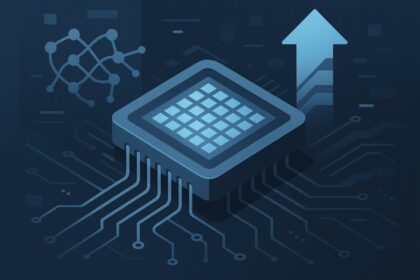
NVIDIA’s new NVFP4 low-precision training and inference technology promises to boost AI model throughput while maintaining accuracy. This advancement could speed up AI innovation, reduce costs, and sh...
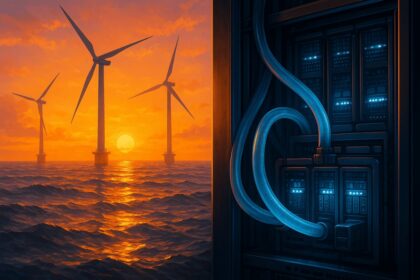
As AI workloads surge, traditional data center power and cooling systems face critical limits. Innovations like offshore floating wind farms and advanced liquid cooling offer complementary solutions t...
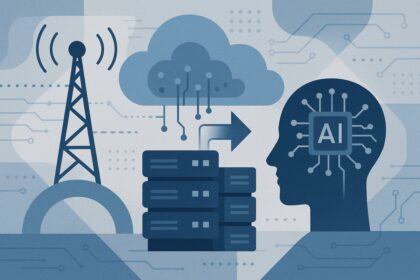
Telecom operators are increasingly outsourcing AI infrastructure to hyperscale cloud providers due to rising on-premises costs and operational challenges. This shift enhances scalability and innovatio...
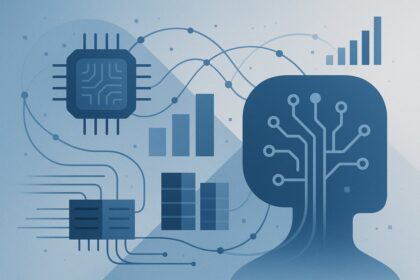
NVIDIA’s NVFP4 low-precision format, combined with advances in 25G Ethernet networking and liquid cooling, is quietly reshaping AI infrastructure. These developments improve training speed, data movem...
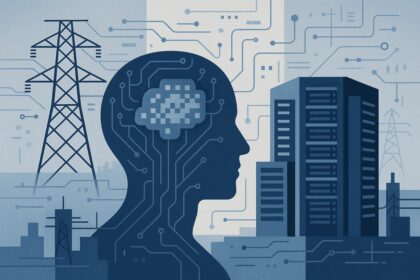
The rapid growth of AI data centers is imposing unprecedented demands on the US power grid, raising concerns about reliability and sustainability. This analysis explores how emerging solutions like vi...
Marvell Technology’s focused strategy on AI interconnects and custom silicon, supported by strong revenue growth and strategic partnerships like Celestial AI, is reshaping semiconductor market dynamic...
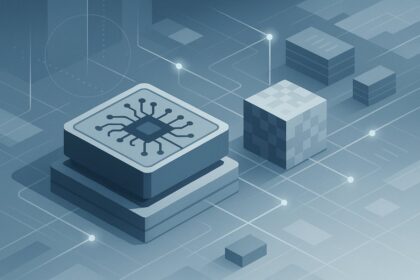
NVIDIA’s NVFP4 low-precision floating-point format significantly improves AI training and inference efficiency by increasing throughput and reducing power consumption without sacrificing accuracy. Int...
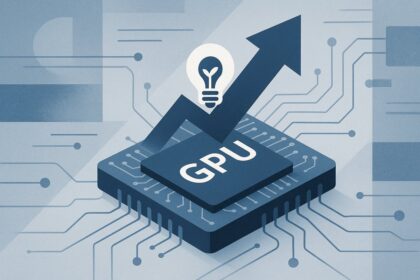
The AI industry must prioritize power efficiency in edge GPU design to meet the stringent thermal and energy constraints of decentralized AI workloads. This editorial emphasizes the need for architect...

The Mesh argues that Nvidia CEO Jensen Huang’s decision to withdraw investments from AI leaders OpenAI and Anthropic risks undermining the essential hardware-software collaboration that drives AI inno...
NVIDIA’s integrated hardware-software co-design strategy is driving significant efficiency gains in AI inference, particularly for sovereign AI models, setting new performance benchmarks. Concurrently...