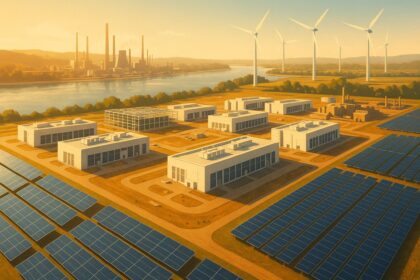
Brookfield and NextEra Energy announced a $100 billion project to build a gigawatt-scale AI data center campus at the DOE’s Paducah Site in Kentucky, paired with up to 4.6 GW of dedicated clean power ...
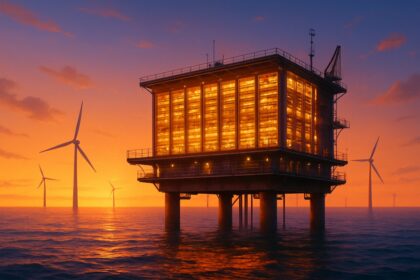
Seatrium has announced a 30MW offshore data center pilot integrating GPU computing with renewable energy and maritime engineering. The project aims to test the viability of offshore platforms to suppo...

Axe Compute announced a $1.5 billion deal on July 28, 2026, to expand its AI infrastructure with new data centers and advanced hardware, aiming to support trillion-parameter AI models. The investment ...

Nvidia announced a $5 billion investment in March 2026 to expand GPU compute capacity for safe superintelligence research through a partnership with Ilya Sutskever’s AI lab. The initiative includes de...

AI’s growing compute demands are pushing the industry to rethink energy strategies. Nuclear power, modular data centers, and private equity investment are converging to address the energy challenges o...
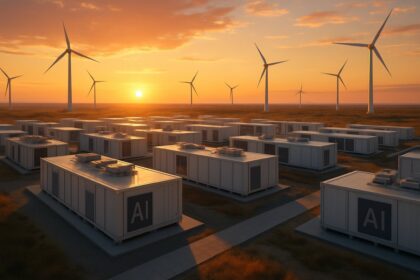
Energy Vault has started building a new AI campus in Snyder, Texas, designed around Crusoe Cloud’s modular Spark data centers and integrated with Energy Vault's gravity-based energy storage technology...
Meta's recent decision to abandon its RE100 renewable energy pledge in favor of supporting gas-fired power plants reveals a critical tension in the AI industry: the urgent need for reliable, affordabl...
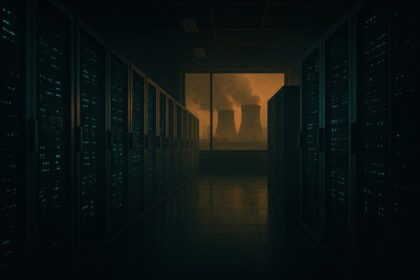
Meta’s recent withdrawal from the RE100 renewable energy initiative, coupled with its backing of new gas-fired power plants, exposes a critical sustainability crisis within the AI industry. This opini...
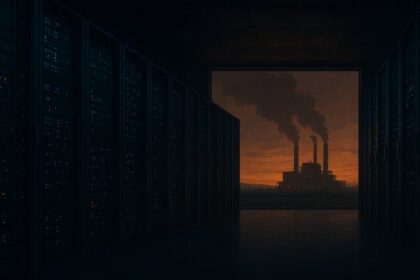
Meta’s decision to leave the RE100 renewable energy pledge and support new gas-fired power plants exposes the gap between AI’s soaring energy demands and current renewable capacity. This candid move c...

Meta’s decision to exit the RE100 renewable energy commitment and invest in gas-fired power plants highlights the challenging trade-offs in powering AI sustainably. This opinion piece argues that whil...