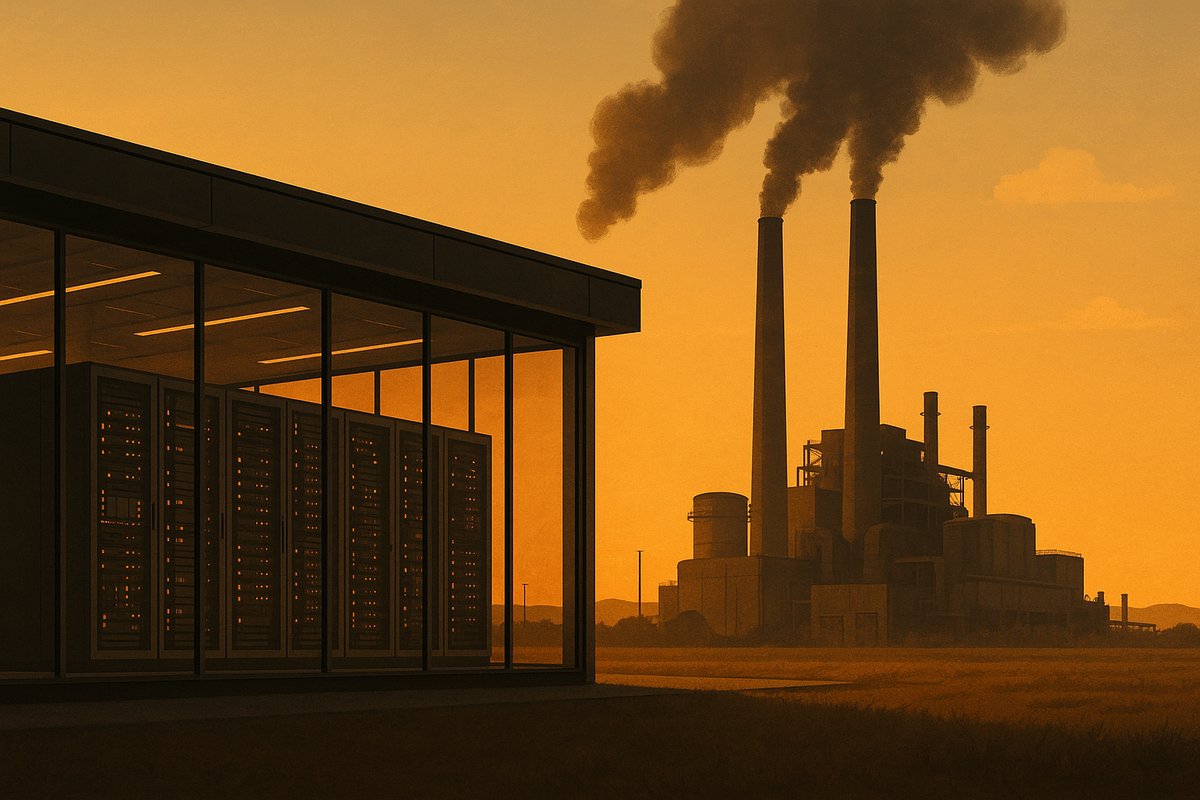
Amazon announced plans for a Texas data center near Dallas that includes an on-site natural gas power plant. Environmental groups warn the facility could become the largest climate polluter among U.S. data centers, raising concerns amid the company's net-zero emissions commitments and the state's ex...




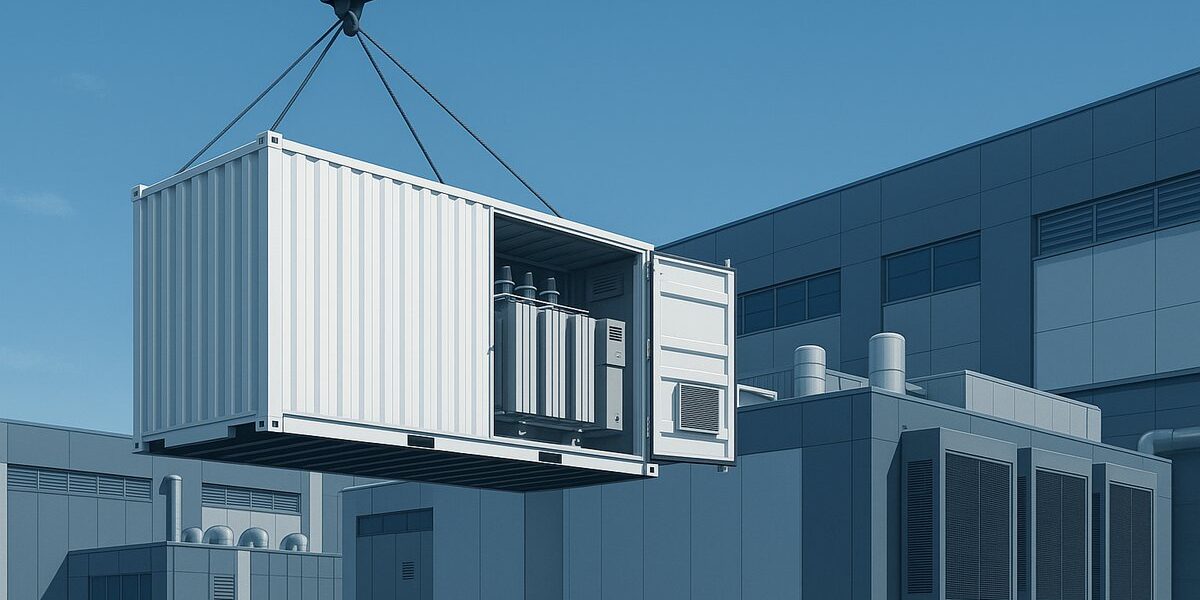


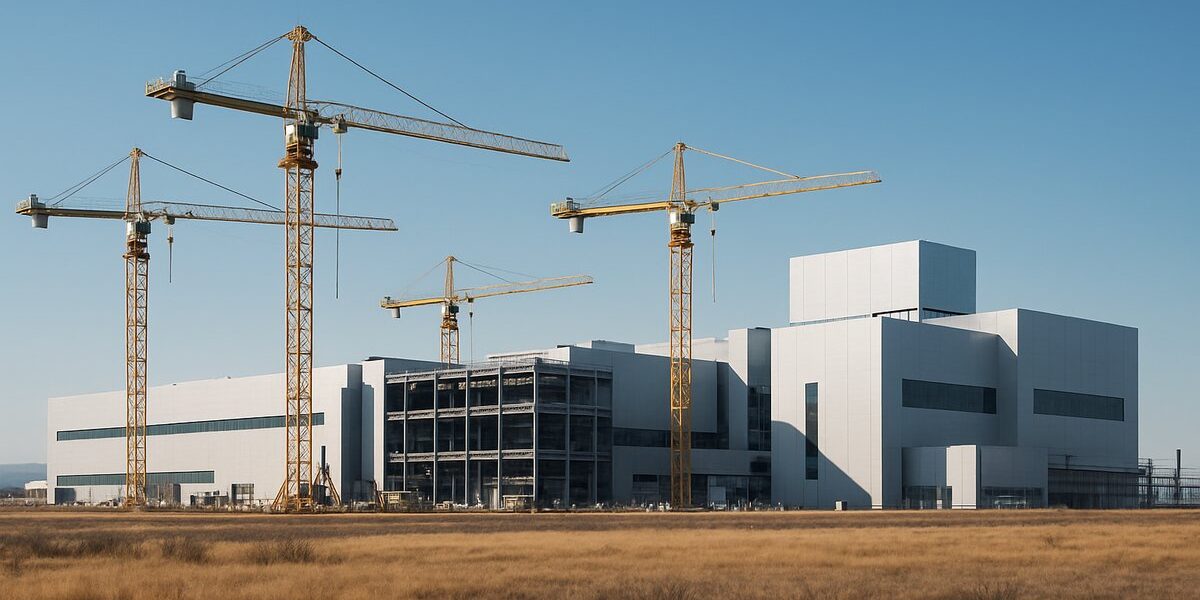

The surge in AI data center demand is driving extensive changes in U.S. energy infrastructure. Federal nuclear investments, utility capital expansions, and private sector innovations collectively reshape power generation and grid management to meet AI's continuous, high-capacity needs. This analysis...
The rapid growth of AI data centers in the U.S. is driving significant energy demands that local grids struggle to meet. Federal nuclear investments, modular data center innovations, and grid modernization including energy storage are converging to form an integrated energy strategy that balances re...
AI data centers in 2026 require unprecedented, continuous power, prompting innovations in nuclear lifecycle campuses, modular data center design, and utility grid modernization. These developments represent a strategic shift toward sustainable, reliable energy infrastructure essential for supporting...
The rapid growth of AI workloads is driving a transformation in data center infrastructure characterized by modular designs, nuclear energy integration, and full-stack efficiency improvements. These converging trends address scalability, energy reliability, and environmental concerns, signaling a st...
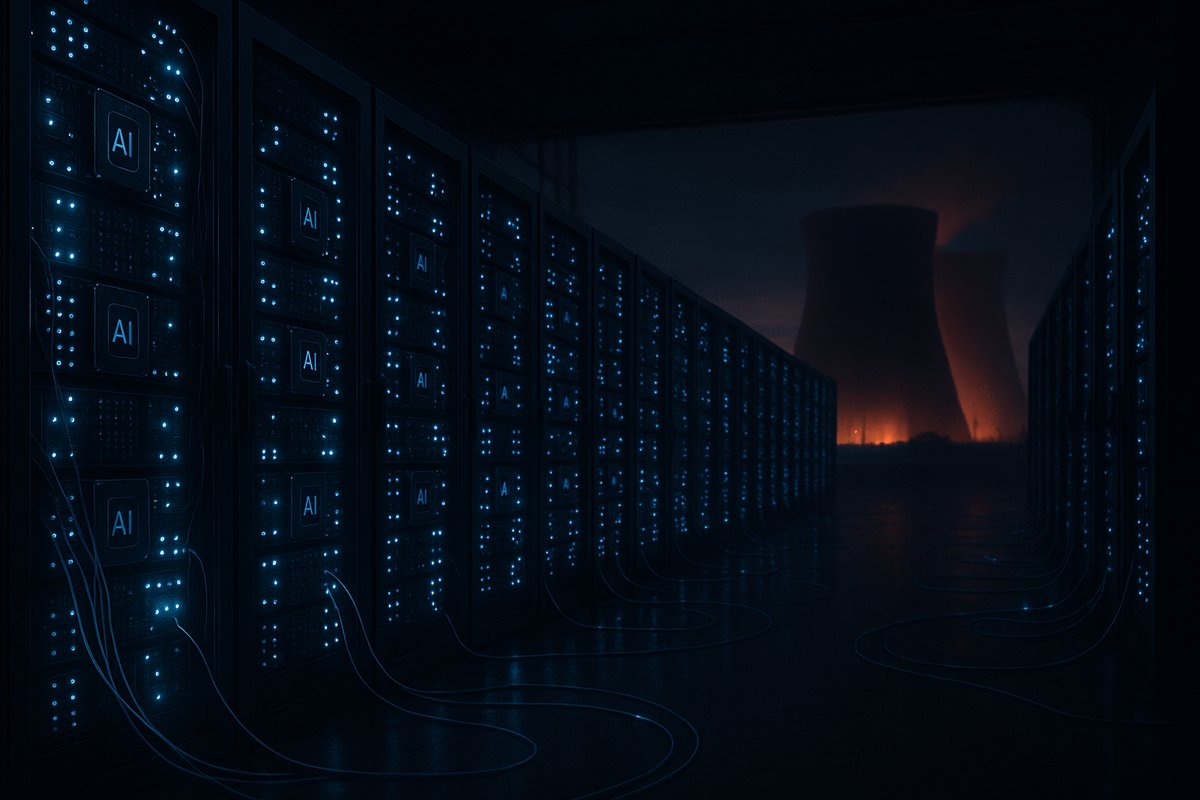
As AI data centers demand ever-increasing power, the U.S. DOE's $50 billion investment in nuclear innovation campuses and utilities like NextEra Energy's AI-driven grid management highlight nuclear energy's critical role in providing reliable, low-carbon power. This analysis explores how these devel...

The inference lattice is reshaping AI compute by distributing inference workloads across specialized, geographically dispersed nodes rather than relying on centralized mega-clusters. This shift addres...

X-Energy, backed by Amazon, raised $1 billion in an IPO to fund deployment of advanced nuclear reactors designed to power AI data centers with clean, reliable energy. The company plans to build multip...

PJM Interconnection Receives Record 220GW of Grid Connection Requests After AI-Driven Process Reform
PJM Interconnection reported receiving a record 220GW of new grid connection requests after implementing an AI-enhanced interconnection process developed by Google-backed Tapestry. This reform aims to...

A Texas company pioneering nuclear-powered data centers is reportedly facing collapse due to financial difficulties, raising concerns about the viability of nuclear energy for AI infrastructure. Proje...

This week brought major developments in agentic AI: Anthropic’s Claude Mythos leak, OpenClaw’s pricing changes favoring enterprises, and DigitalOcean’s new AI services. Together, these events highligh...

Agentic AI systems are evolving rapidly, outpacing current governance frameworks and risking unpredictable, uncontrollable behaviors. The Mesh argues that strong, transparent, and enforceable governan...

Verda announced it will deploy Arm and Meta’s co-designed AGI CPU across its North American and European data centers by mid-2026, aiming to enhance AI performance and efficiency for agentic workloads...

Fabric.AI and Kopin Corporation announced a new MicroLED interconnect technology on March 25, 2026, aimed at advancing scalable, energy-efficient AI factory infrastructure. This technology improves si...

Gemini launched an AI-powered agentic trading platform on April 27, 2026, enabling autonomous cryptocurrency trading with minimal human oversight. The platform’s AI agents analyze real-time market dat...

Tesla and SpaceX’s announcement of Terafab, a $25 billion semiconductor fab targeting 1 terawatt of AI compute annually, signals a potential paradigm shift in AI chip manufacturing. While the scale pr...