
SK Hynix has approved a $38 billion investment to expand its high-bandwidth memory production facilities in South Korea, securing the country's dominance in AI memory manufacturing through 2033. The move highlights the absence of U.S. domestic HBM fabrication capacity and raises concerns about suppl...



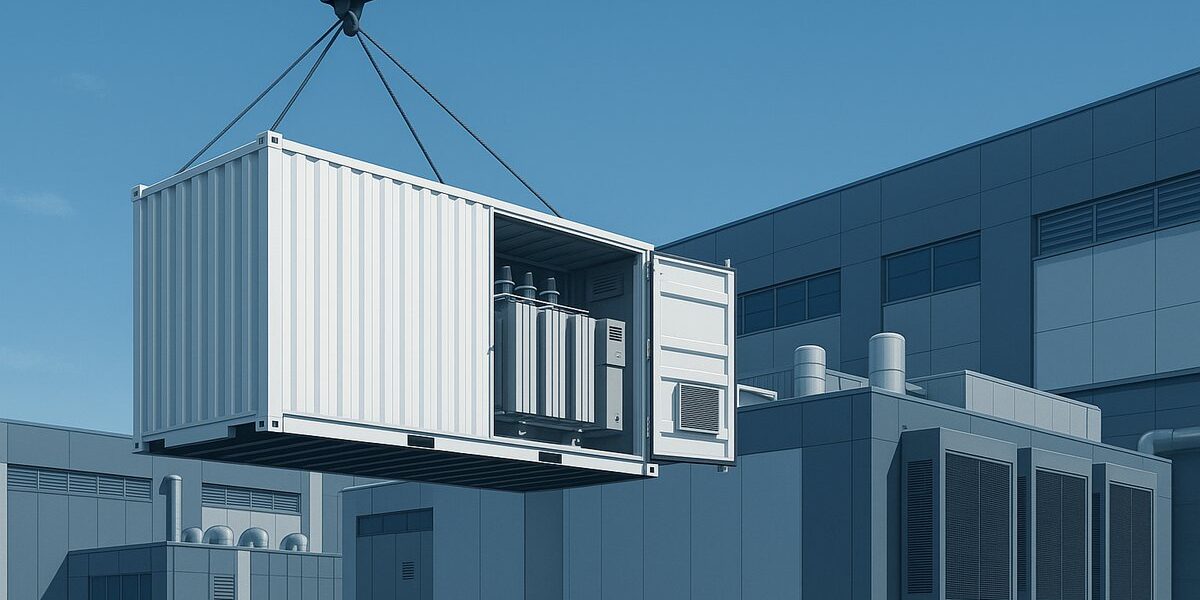






The surge in AI data center demand is driving extensive changes in U.S. energy infrastructure. Federal nuclear investments, utility capital expansions, and private sector innovations collectively reshape power generation and grid management to meet AI's continuous, high-capacity needs. This analysis...

The rapid growth of AI data centers in the U.S. is driving significant energy demands that local grids struggle to meet. Federal nuclear investments, modular data center innovations, and grid modernization including energy storage are converging to form an integrated energy strategy that balances re...
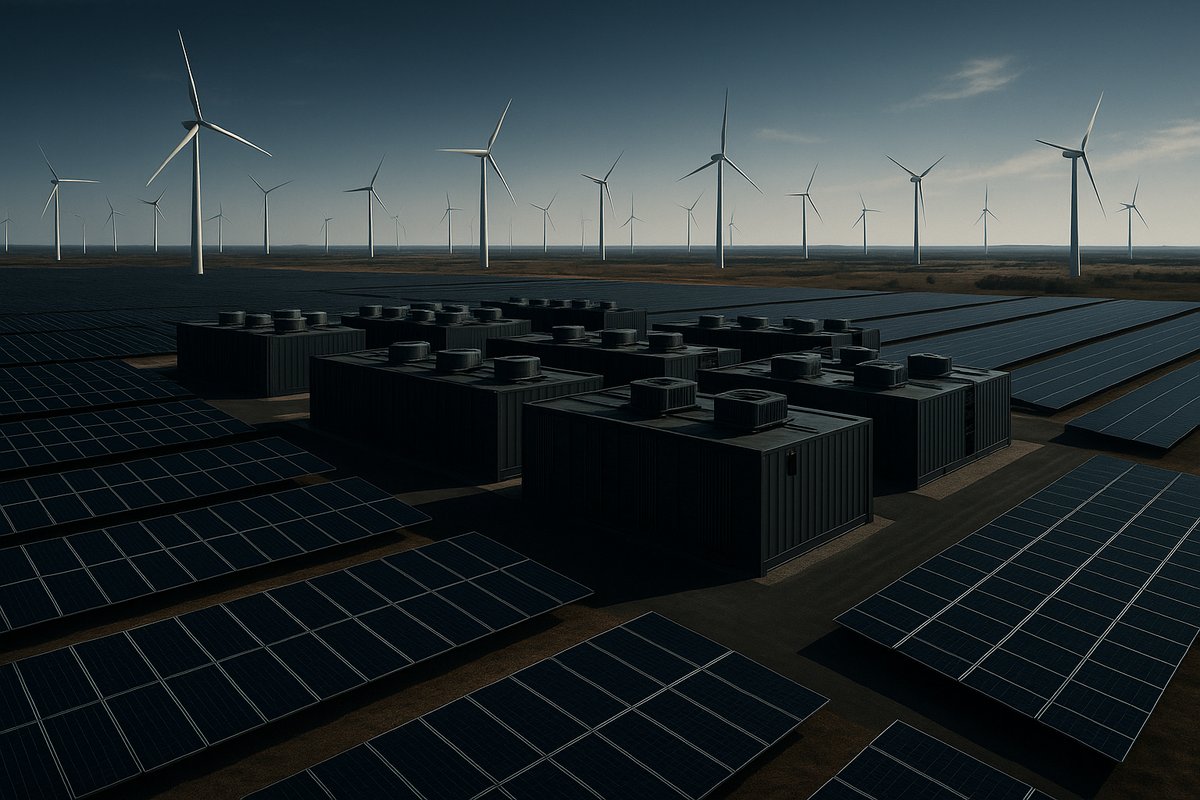
AI data centers in 2026 require unprecedented, continuous power, prompting innovations in nuclear lifecycle campuses, modular data center design, and utility grid modernization. These developments represent a strategic shift toward sustainable, reliable energy infrastructure essential for supporting...
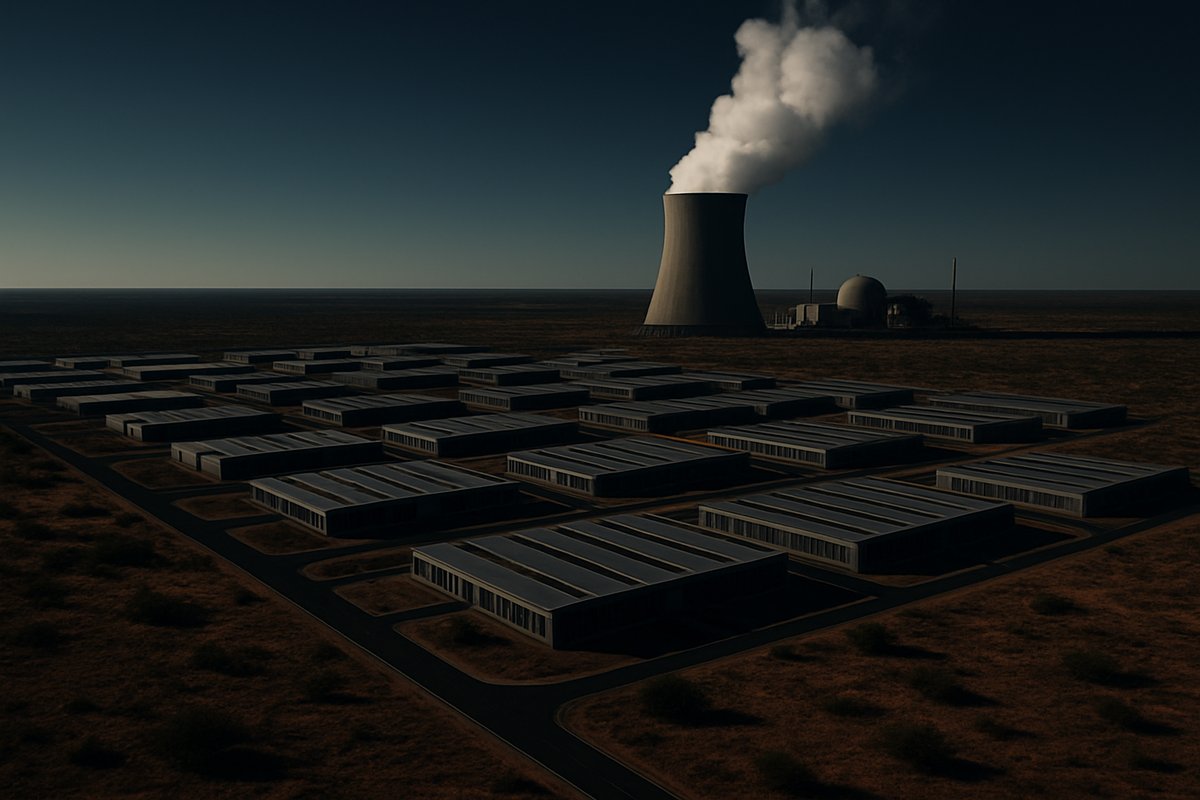
The rapid growth of AI workloads is driving a transformation in data center infrastructure characterized by modular designs, nuclear energy integration, and full-stack efficiency improvements. These converging trends address scalability, energy reliability, and environmental concerns, signaling a st...

As AI data centers demand ever-increasing power, the U.S. DOE's $50 billion investment in nuclear innovation campuses and utilities like NextEra Energy's AI-driven grid management highlight nuclear energy's critical role in providing reliable, low-carbon power. This analysis explores how these devel...

Red Hat announced on May 12, 2026, an expansion of its agentic AI strategy featuring enhanced inference, automation, and AI sovereignty capabilities. These enhancements aim to accelerate autonomous AI...

Demand for cloud AI compute is surging as hyperscalers like AWS face pressure to supply entire chip inventories for complex, agentic AI models. Companies such as OpenAI and Anthropic are securing stra...

General Motors laid off hundreds of IT workers in May 2026 to refocus its technology workforce on AI-native development. The restructuring aims to enhance GM’s capabilities in data engineering, analyt...

Broadridge Financial Solutions has deployed agentic AI technology at scale across its capital markets and wealth management units, automating complex workflows such as trade reconciliation and regulat...

In March 2026, India approved multiple semiconductor and advanced display manufacturing projects aimed at expanding its AI infrastructure. These initiatives, backed by government incentives, seek to b...

OpenAI, in partnership with NVIDIA, AMD, and Intel, has launched the Memory Resource Coordinator (MRC) to optimize memory allocation during AI training. The technology aims to reduce slowdowns by up t...

This opinion piece argues that CPUs, often overshadowed by GPUs in AI infrastructure discussions, are critical for the success of agentic AI systems. The author contends that CPUs provide the necessar...

Solo.io has released NemoClaw, a production-ready agentic AI runtime tailored for Kubernetes environments. The runtime supports secure, scalable deployment of autonomous AI agents in enterprise cloud ...

Circle has launched a new AI infrastructure platform that integrates USDC-powered programmable payments to enable autonomous machine-to-machine transactions. This development supports the emerging age...

Circle launched a new AI infrastructure platform on May 11, 2026, designed to support autonomous AI systems across various industries. The platform offers scalable, secure tools for deploying and mana...